
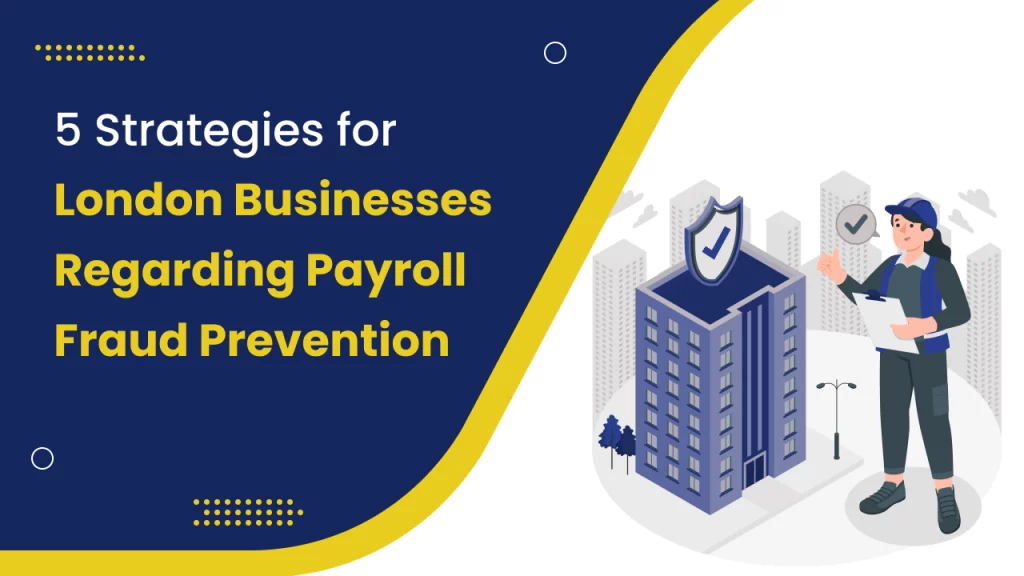
Payroll fraud can drain your hard-earned money and hurt your business growth. It happens in many ways, from ghost employees to falsified hours. If you don’t take action, losses can pile up fast.
Luckily, you can stop fraud before it causes severe damage. A few smart steps can protect your finances and keep your payroll system clean.
Want to stay ahead of fraudsters? In our latest write-up, we’ll explore strategies for London businesses to prevent payroll fraud and significant kinds of fraud you must avoid.
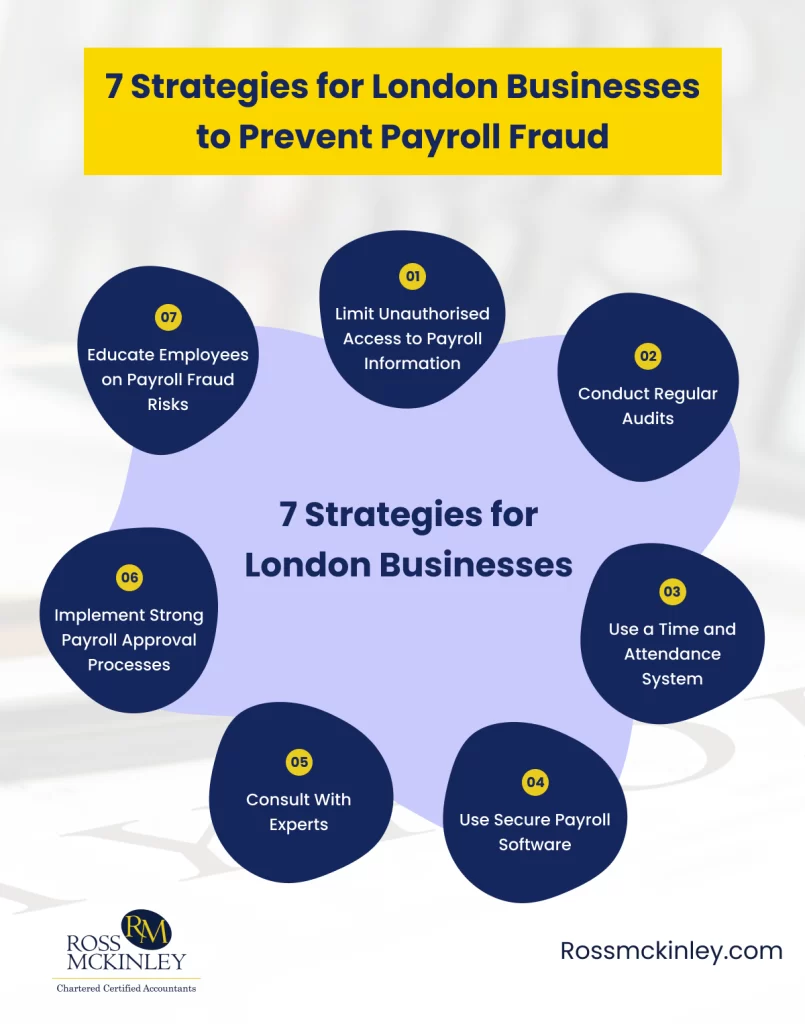
Table of Contents
What Is Payroll Fraud and Its 5 Major Kinds?
Payroll fraud happens when employees or employers cheat the payroll system for financial gain. It can involve fake work hours, false job roles, or even non-existent employees. If businesses don’t act fast, losses can add up, and trust can break down.
Many companies struggle with payroll fraud, but spotting the early signs makes a huge difference. Here are the five major kinds of payroll fraud:
| 5 Types of Payroll Fraud |
| Commission Fraud: Employees fake sales or inflate earnings to receive extra commissions. |
| Ghost Employees: Fake employees get added to the payroll, and someone collects their wages. |
| Timesheet Fraud: Employees log extra hours, clock in for absent colleagues, or take long breaks. |
| Employee Misclassification: Employers wrongly classify workers to avoid taxes and benefits. |
| Wage Falsification: Employees or payroll managers alter salaries, overtime, or deductions to increase pay fraudulently. |
Commission Fraud
Some employees fake sales or inflate commission-based earnings for extra pay. A salesperson might report deals that never happened or overstate figures. This fraud goes unnoticed for months, leading to significant financial losses.
As a result, businesses pay large amounts in false commissions, cutting their profits. Over time, this reduces trust in commission-based roles and damages company finances.
Ghost Employees
Ghost employees exist only on paper, but someone collects their wages. A dishonest payroll officer or manager might add fake names and take the money. Large companies with weak payroll monitoring often fall victim to this fraud.
This type of fraud can drain thousands in salaries paid to non-existent workers. Businesses may also face legal issues for failing to maintain accurate employee records.
Timesheet Fraud
Some employees get paid for hours they never worked. They might clock in early, log hours for absent colleagues, or take long breaks. Even a few minutes of false reporting per employee can lead to substantial payroll losses.
The company pays for unworked hours, affecting overall productivity and creating an unfair workplace where honest workers feel frustrated.
Employee Misclassification
Some businesses misclassify workers to avoid paying taxes and benefits. For example, employers might list a full-time worker as an independent contractor. This lowers costs for employers but is both unethical and illegal.
Misclassification can lead to serious legal consequences, including lawsuits and penalties that ultimately damage a company’s reputation. Employees also suffer as they lose access to benefits and job security.
Wage Falsification
Employees or payroll managers might alter salary rates, add fake overtime, or remove deductions. These fraudulent changes led to inflated wages and unnecessary expenses.
Companies lose large sums, sometimes without even realising it. This type of fraud can also create unfair pay structures. Over time, it weakens financial stability and lowers trust in payroll management.
5 Strategies for London Businesses To Prevent Payroll Fraud
Payroll fraud can cost your business thousands if you don’t take the proper steps. Check out these five strategies for London businesses to prevent payroll fraud and keep operations smooth.
Limit Unauthorised Access to Payroll Information
Not everyone needs access to payroll records. The more people involved, the higher the risk of fraud. Keep payroll data restricted to trusted personnel only. Here’s what you can try:
- Use role-based access so employees see only what they need.
- Set up multi-factor authentication to stop unauthorised logins.
- Change passwords regularly and monitor login activities for any suspicious behaviour.
With fewer hands in the system, fraudsters have fewer chances to manipulate records.
Conduct Regular Audits
If payroll records go unchecked for too long, fraud can slip through unnoticed. Regular audits help businesses spot irregularities before they turn into big problems. Try these on:
- Compare actual work hours with payroll records to catch any false claims.
- Check for duplicate employees or unusual salary adjustments.
- Involve an external auditor to ensure unbiased payroll checks.
Audits create accountability and make fraudsters think twice before attempting any tricks.
Use a Time and Attendance System
Relying on manual timesheets makes it easy for employees to fake work hours. A digital time and attendance system removes guesswork and prevents false reporting in several ways:
- Biometric scanners ensure employees can’t clock in for each other.
- Swipe cards and mobile apps track real-time attendance and work hours.
- Automated reports help employers spot irregular patterns instantly.
Investing in a reliable tracking system saves money and improves workforce efficiency.
Use Secure Payroll Software
Basic spreadsheets and outdated systems make it easier for fraud to go undetected. Secure payroll software offers better protection against data manipulation and unauthorised changes. Here’s how it helps you out:
- Automated calculations prevent errors and tampering.
- Encryption keeps sensitive employee details safe from cyber threats.
- Alerts notify employers of unusual payroll activities.
A strong payroll system doesn’t just process salaries; it acts as a fraud shield.
Consult With Experts
Sometimes, payroll fraud becomes too complex for businesses to handle alone. That’s when expert guidance makes a difference. Ross Mckinley offers payroll services, helping your business set up fraud-proof payroll systems. Our team is the best because:
- Our experts detect weak spots that employers might overlook.
- We offer customised fraud prevention strategies based on business needs.
- Several companies asked us for professional guidance, and we helped them follow legal payroll regulations.
Preventing payroll fraud requires smart planning and the right tools. Businesses that take proactive steps can build a more trustworthy workplace.
Conclusion
Stopping payroll fraud requires strict controls, regular monitoring, and the right technology. Businesses that take action early can protect their finances and build a secure workplace.
Keeping payroll records updated reduces errors and helps spot suspicious patterns quickly. Training employees on fraud risks also strengthens internal security. Encouraging an open reporting culture allows your staff to report concerns without fear.
Outsourcing payroll to experts ensures compliance and minimises fraud risks. Using fraud detection tools adds an extra layer of security. With these additional measures, your business can avoid payroll fraud threats and maintain financial stability.