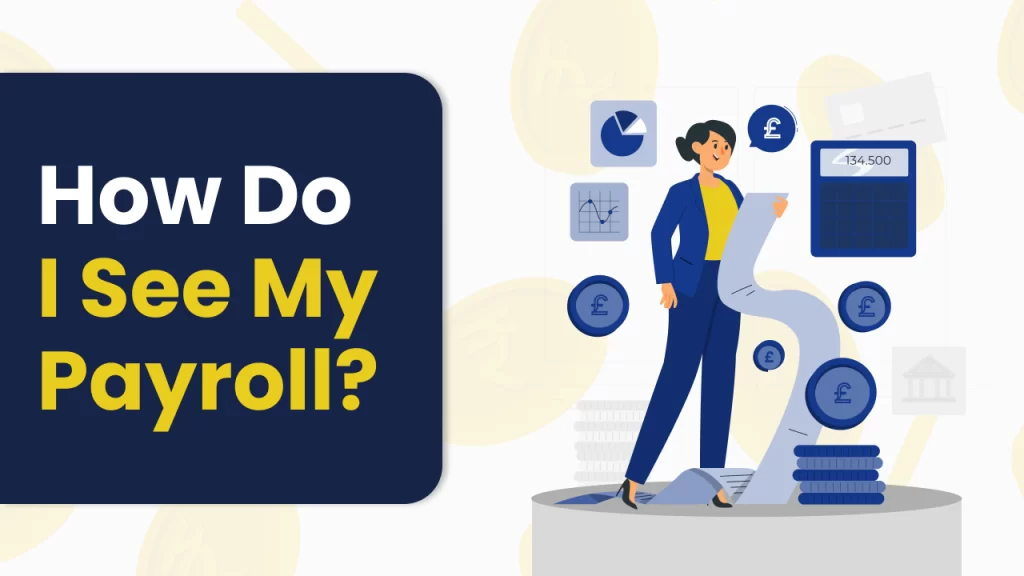
Let’s talk about payroll. Specifically, let’s talk about how you, as an employee, can see your payroll. Because let’s face it: payroll isn’t just something your employer handles in a dark, mysterious corner of the office. It directly affects you, your hard-earned money, your taxes, and your ability to afford the maintenance of your fancy car.
So, how do you see your payroll? What does it all mean? And why does it sometimes look like a secret code written in ancient Greek language? Don’t worry; we’re here to break it down for you in a way that’s easy to understand. Let’s dive in.
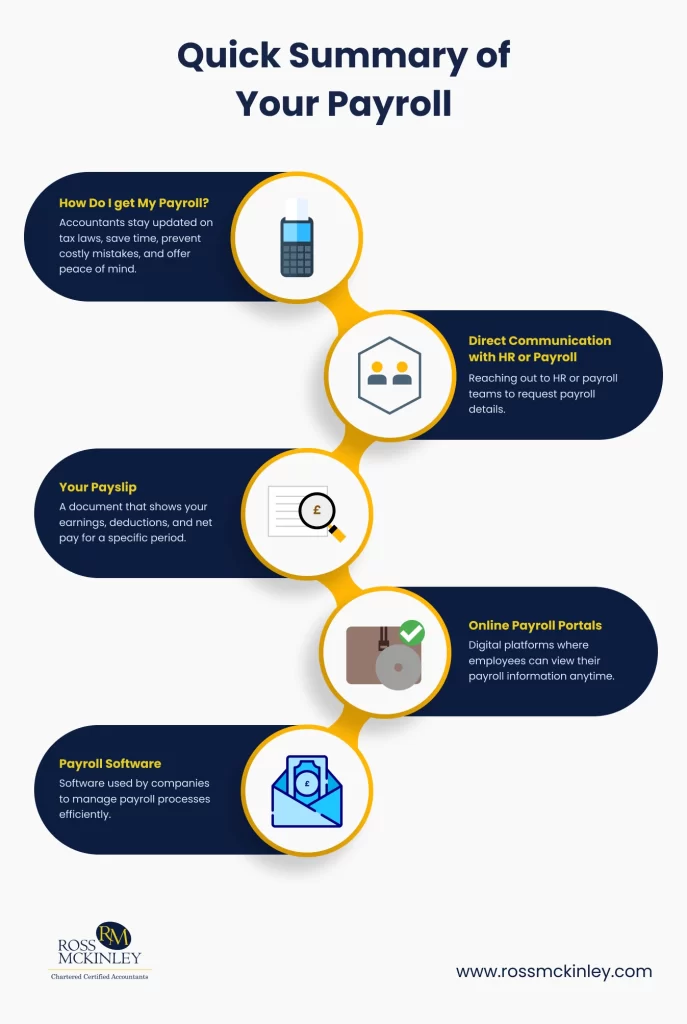
Table of Contents
How Do I See My Payroll?
Before we get into how you can see your payroll, let’s quickly define what payroll is. Payroll is the process your employer uses to pay you. But payroll isn’t just about the money. It’s also about keeping records, reporting to HMRC, and ensuring everything is accurate and compliant with the law.
In other words, it’s a big deal, and it’s not just your employer’s responsibility to understand it. You should know what’s going on, too!
Now, let’s get to the good stuff: how you can see your payroll. It’s not as complicated as you might think. Here are the most common ways to access your payroll:
- Your Payslip
Your payslip is the most common way to see your payroll. It’s a document, either physical or digital, that breaks down your pay for a specific period. Your employer is legally required to provide you with a payslip, so if you’re not getting one, it’s time to ask some questions.
- Online Payroll Portals
Many companies use online payroll systems that allow employees to log in and view their payroll information. These portals often include not just your current payslip but also past payslips and even your pension contributions.
- Payroll Software
Some companies use payroll software that integrates with other systems, like HR or accounting software. If your company uses this kind of system, you might be able to access your payroll through the same platform.
- Direct Communication with HR or Payroll
If all else fails, you can always ask your HR or payroll department for a copy of your payslip or payroll. They should be able to provide you with everything you need, though it might take a little longer than clicking a button.
What’s on My Payroll?
Okay, so you’ve got your payroll. Now what? Let’s break down what’s on it because, let’s be real: it can look like a bunch of random numbers and codes if you don’t know what you’re looking at.
- Gross Pay
This is your total earnings before any deductions. It includes your salary or hourly wages plus any bonuses, overtime, or other payments.
- Deductions
This is where things get complicated. Deductions include Income Tax, National Insurance, Pension Contributions etc.
- Net Pay
This is the amount you take home after all the deductions. It’s the number you’re probably most interested in because it’s the money you can spend.
- Tax Code
Your tax code is a series of numbers and letters that tell your employer how much tax to deduct. If your tax code is wrong, you could end up paying too much or too little tax.
- Year-to-Date Figures
These show your total earnings and deductions for the year so far. It’s a handy way to see how much you’ve earned and how much tax you’ve paid over time.
Why Is It Important to Check My Payroll?
Now that you know how to see your payroll and what’s on it, let’s talk about why it’s important to check it regularly. Because, let’s be real, nobody wants to find out they’ve been overpaying taxes for months, underpaying, and facing a surprise bill from HMRC.
- It Helps You Spot Errors
Mistakes happen. Maybe your overtime wasn’t included, or your tax code is wrong. By checking your payroll regularly, you can spot these errors early and get them fixed before they become a bigger problem.
- It Helps You Understand Your Finances
Your payroll is a snapshot of your financial health. By understanding what’s on it, you can better plan your budget, save for the future, and avoid surprises.
- It Keeps You Informed
Knowing how much you’re paying in taxes, National Insurance and pension contributions can help you make informed decisions about your finances.
- It Gives You Peace of Mind
There’s something comforting about knowing exactly where your money is going. By checking your payroll regularly, you can rest easy knowing that everything is as it should be.
Conclusion
So, how do you see your payroll? It’s as simple as logging into an online portal or asking your HR department. And once you’ve got it, take the time to understand what’s on it. Because at the end of the day, your payroll is more than just a bunch of numbers, it’s your hard-earned money.
Navigating the complexities of UK payroll can be challenging. Fortunately, you don’t have to do it alone. Ross McKinley offers comprehensive payroll services tailored to your business needs. With over 46 years of combined experience, our team ensures accuracy, compliance, and efficiency in managing your payroll.
Trust us to handle the intricacies of payroll so you can focus on what you do best: growing your business.